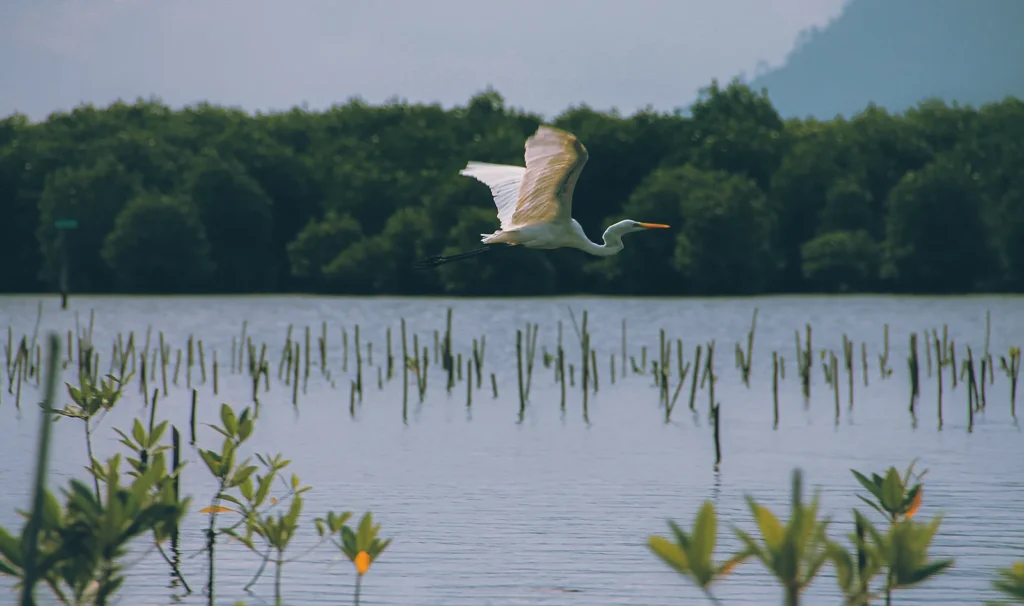
The northern side of Nusa Lembongan feels different from the rest of the island. Instead of cliffs or beach clubs, you’ll find still water and thick roots growing from the shore. This is the mangrove area, a calm, green world that protects the coast and supports local life.
What the Mangrove Does for the Island
The mangrove forest is often called the island’s lungs. It filters water, prevents erosion, and provides a nursery for fish before they swim to the open sea. Without it, the coastline would slowly disappear.
Many locals still rely on this ecosystem. Small fishermen use the channels to collect bait or catch crabs, and the forest acts as a natural barrier when storms hit during the wet season.
Local Life Around the Mangrove
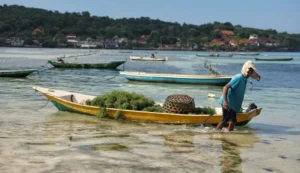
For people living nearby, the mangrove is part of everyday life. Families collect driftwood, harvest small shellfish, and maintain the narrow channels that boats use to pass through.
In the past decade, locals also started guiding short tours with simple, affordable, and led by people who actually live there. It’s one of the few activities where visitors and residents meet naturally.
What Visitors Can Do
The mangrove area is quiet, and most tours don’t require much planning. You can walk, rent a kayak, or join a small boat ride. It’s best early in the morning when the water is calm and the light filters through the trees.
Here are some of the most common and enjoyable options:
- Kayak Through the Roots: Paddle gently through shaded waterways surrounded by arching roots and small fish jumping at the surface.
- Traditional Boat Tour: Sit on a simple wooden boat steered by a local guide. It’s slow, peaceful, and gives a close view of the mangrove’s structure.
- Mangrove Walk: Some paths let you walk along raised wooden tracks to explore dry areas during low tide.
- Bird Watching: Bring a camera or binoculars and you might see kingfishers or egrets resting on the branches.
- Clean-Up or Planting Event: Several community groups invite visitors to help plant mangrove saplings or collect plastic debris.
These activities don’t take much time, but they leave a strong impression. The area shows another side of the island which are simple, natural, and still connected to the people who live here.
Balancing Tourism and Protection
Boat traffic and waste remain ongoing issues. The local community, with help from conservation groups, is limiting engine boats in shallow areas and adding waste-collection points near entrances. Visitors are encouraged to avoid single-use plastic and choose paddle or rowboat tours instead of motorized ones.
Why It’s Worth Visiting
The mangrove forest is not a place for crowds or music. It’s for those who enjoy calm spaces and local life. Spending an hour here gives a real sense of how much nature still shapes Nusa Lembongan’s rhythm.
It’s also one of the few activities that directly supports community income without disturbing the environment.
Whether you’re kayaking through the roots or watching the tide roll back to the open sea, the mangrove reminds you that balance, care, and patience are what keeps the island alive.