Before any property transaction or development idea takes shape, understanding how land and zoning work is essential. In Bali and its nearby islands, these rules define what can be built, where it can be located, and how it must respect the environment and community around it.
Why Zoning Matters for Investors
Zoning is the invisible framework that shapes every project. It determines whether a piece of land can host a villa, a café, a resort, or must remain agricultural. Ignoring it can lead to legal issues, costly redesigns, or even demolition orders.
For Nusa Lembongan and Ceningan, zoning also ensures that development remains sustainable and in balance with the islands’ fragile coastal ecosystem.
Here are key reasons investors should pay close attention to zoning before signing any deal:
- It protects your investment from legal disputes or forced closure.
- It ensures your project fits within community and environmental standards.
- It provides clarity about future infrastructure or tourism plans nearby.
The Main Zoning Categories in Bali and the Nusa Islands
Bali’s Rencana Tata Ruang Wilayah (RTRW) or regional spatial plan defines land-use zones across the province, and Nusa Lembongan and Ceningan follow the same principles under Klungkung Regency jurisdiction.
While specific zoning maps can evolve, here are the most relevant categories for investors to understand:
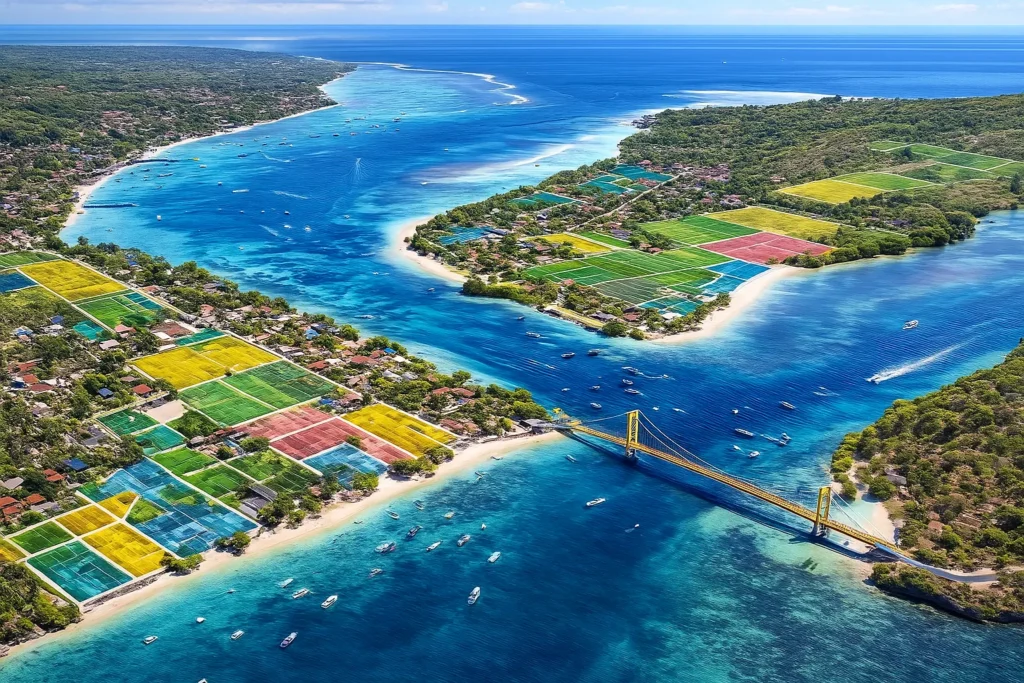
- Yellow Zone (Residential and Tourism Accommodation)
- Areas where villas, homestays, or small resorts can legally operate.
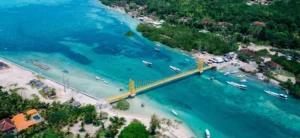
- Common around Jungut Batu, Mushroom Bay, and parts of Ceningan near the bridge.
- Building permits (IMB or now PBG) are possible if environmental and building regulations are respected.
- Green Zone (Agriculture and Limited Development)
- Land reserved for farming, forestry, or conservation.
- Construction is highly restricted; only traditional or community-based structures may be allowed.
- Some parts of inland Ceningan and northern Lembongan fall under this category.
- Blue Zone (Tourism and Commercial Activities)
- Found near beaches and popular coastal areas such as Sandy Bay, Tamarind, or Secret Beach.
- Allows for tourism-related businesses, restaurants, or commercial spaces, often with setback and building height limits.
- Red Zone (Public Infrastructure and Special Use)
- Dedicated to roads, ports, schools, and government facilities.
- Not suitable for private development but can increase surrounding property value through improved accessibility.
Coastal Setback Rules
Coastal zoning is particularly strict on the Nusa Islands because of erosion, coral protection, and community access. The general rule requires that permanent buildings maintain a setback of at least 100 meters from the highest tide line.
In certain locations, this may vary depending on the Environmental Impact Assessment (AMDAL) and approval by the local Dinas Pekerjaan Umum dan Penataan Ruang (PUPR).
What this means in practice:
- Wooden decks or light structures may be allowed closer to the shoreline, but permanent villas or pools are not.
- Areas within the setback are better suited for open lounges, gardens, or beach access paths.
- Violating coastal boundaries can result in heavy penalties or demolition.
Land Titles and Ownership Pathways
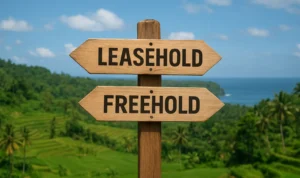
Zoning tells you what can be done, but land titles define who can legally do it.
Foreign investors often use these structures:
- Hak Pakai (Right to Use): Allows use of the land for a fixed period (typically up to 80 years) under government approval.
- Nominee Structure: An Indonesian citizen holds the title on behalf of the foreign investor. This method is common but should be handled carefully and backed by a strong legal agreement.
- PT PMA (Foreign Investment Company): The safest route for long-term development. A PT PMA can legally hold Hak Guna Bangunan (HGB) titles for business purposes.
Steps to Take Before You Buy or Build
Here is a simplified checklist for anyone considering a project on Nusa Lembongan or Ceningan:
- Check the zoning map at the Klungkung Regency office or through a licensed notary.
- Review land certificates to confirm ownership and boundaries.
- Consult the PUPR or BPN office for updates on coastal setback or infrastructure changes.
- Engage a local architect or legal advisor familiar with the islands’ rules.
- Respect community input, especially in areas close to temples or traditional farming zones.
Building Responsibly on Island Land
Beyond legality, good development on the Nusa Islands means designing with nature. The terrain, coral edges, and limited freshwater supply require careful planning.
Choosing eco-friendly materials, managing waste properly, and respecting public beach access not only prevent conflict but also add long-term value to any investment.
The Balance Between Growth and Preservation
Zoning may sound restrictive, but it is what keeps the islands livable and beautiful. It prevents uncontrolled construction and protects the views, reefs, and village culture that attract visitors in the first place.
For investors, understanding these limits is not a barrier but a strategic advantage. Projects that align with zoning and environmental logic tend to gain stronger support, smoother licensing, and higher appeal in the long run.